
Reviews
This game stands out for its patient design and clear educational goals. The packing sequence effectively introduces planning skills, while the sunscreen application section normalizes sun protection. The sandcastle building activity offers creative expression without complex mechanics. Parents will appreciate the absence of advertisements and the focus on positive reinforcement. The lack of text makes it truly accessible for pre-readers. The only limitation is the absence of multiple save slots for families with several children, but the session-based design works well for shared devices. Overall, it is a reliable choice for parents seeking constructive screen time for toddlers.
About this game
Morning Preparations
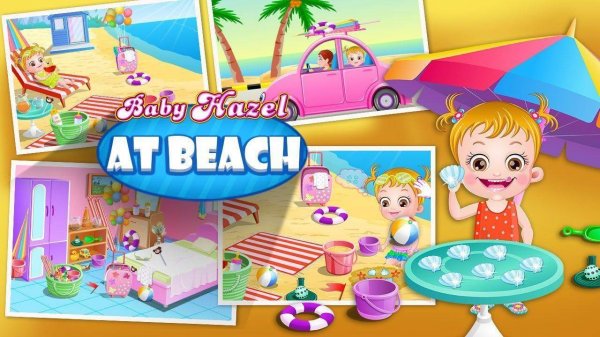
Before heading to the coast, children assist the main character in gathering necessary items. The packing process involves selecting a sun hat, a bottle of water, and a small shovel for sand play. Each item appears on screen with a clear outline, making it easy for little fingers to tap and place into a bag. This initial step introduces the concept of planning ahead and thinking about what might be needed for a day outside. The interface uses bright colors and friendly shapes, so even the youngest players can participate without frustration. Completing the packing sequence triggers a cheerful animation that signals readiness for the next phase.
Sun Protection Routine
Upon arrival at the sandy area, the game shifts focus to skin safety. A bottle of sunscreen appears, and players must tap to apply it to exposed areas of the character's body. The application process is broken into simple steps: first the arms, then the legs, and finally the face. Each successful application produces a soft sound effect and a visual sparkle. This section reinforces the habit of using sun protection before outdoor play. The game does not rush the player, allowing them to repeat the steps if they miss a spot. This patient design encourages mastery of the routine without pressure.
Beach Activities and Play
Once safety measures are complete, the character can enjoy typical seaside fun. Players help build a sandcastle by tapping on piles of sand to shape towers and walls. A small bucket and spade appear as tools, and each tap adds a new layer to the structure. After construction, the character may want to cool off near the water's edge. A floatation device needs inflating, which involves a simple sequence of taps. The game also includes moments for rest, such as sitting under an umbrella with a cold drink. These activities are presented as a series of small goals, each rewarding the player with positive feedback.
Cleanup and Organization
After playtime, the game introduces tidying habits. Scattered items like towels, cups, and toys must be collected and placed back into the bag. Players drag each item to its correct spot, learning to sort and store belongings. This section mirrors real-life cleanup routines, making it relatable for children who are developing similar skills at home. The game does not penalize mistakes; instead, it gently guides the player to try again. The final step involves checking that nothing is left behind, reinforcing the idea of responsibility for personal items. A closing animation celebrates the successful completion of the day's tasks.
Visual Style and Accessibility
The graphics use large, simple shapes with high contrast against pastel backgrounds. Characters have exaggerated facial expressions that clearly convey emotions like happiness or surprise. No text appears on screen during gameplay, which means children who have not yet learned to read can follow along independently. Buttons and interactive areas are oversized to accommodate small hands and imprecise taps. The sound design includes gentle music and soft sound effects that provide encouragement without being distracting. This thoughtful design ensures the game remains accessible to toddlers and preschoolers with varying levels of fine motor control.


Comments
Sign in to leave a review
No account? Create one
No comments yet.