
Reviews
Operation Pause: Tactical Rescue stands out with its elegant time-control system. Each room feels like a mini-puzzle where patience and planning are rewarded. The tool variety adds depth without overwhelming the player. The room-by-room progression keeps the game focused and satisfying. It is a refreshing take on the puzzle genre, ideal for those who enjoy methodical gameplay. The lack of time pressure makes it accessible, while the increasing complexity offers a good challenge for veterans.
About this game
The Core Mechanic: Time and Movement
Operation Pause: Tactical Rescue introduces a simple but deep rule: time only passes when the player moves. This transforms every action into a deliberate choice. Standing still lets you survey the environment, identify threats, and plan your next steps without pressure. The game rewards patience and careful observation over quick reactions. Each room presents a self-contained puzzle where timing and positioning matter more than speed.
Room-by-Room Puzzle Design
Missions are structured as a series of rooms or areas, each with its own layout and obstacles. Players enter a new space, pause to assess the situation, then move step by step toward the objective. The challenge comes from figuring out the correct sequence of movements and tool usage. Some rooms may require a specific order of actions, while others offer multiple valid solutions. This variety keeps each encounter fresh and encourages experimentation.
Tools and Tactical Options
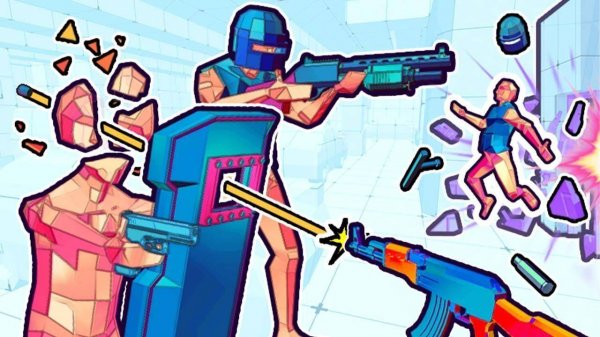
Players may have access to a set of tools designed for different situations. These include items for entry, precision tasks, rapid actions, and close-range effects. Not every tool is useful in every room, so choosing the right one for the current challenge is key. The game does not rely on combat but on using these tools strategically to clear paths and complete objectives. Adaptability is a core skill.
Strategic Thinking Over Reflexes
Unlike many action games, Operation Pause: Tactical Rescue places emphasis on mental agility rather than physical speed. The time-stop mechanic allows players to think through each move without time pressure. This makes the game accessible to those who prefer methodical problem-solving. Success comes from planning, not from fast fingers. The game also includes slow-motion sequences that highlight key moments, adding a cinematic feel to well-executed plans.
Progression and Mastery
As players advance, rooms become more complex, requiring more sophisticated strategies. Early levels introduce basic mechanics, while later ones combine multiple elements. The game encourages replaying rooms to find more efficient paths or to experiment with different tool combinations. This progression system provides a steady learning curve and a sense of accomplishment as players master each area.









Comments
Sign in to leave a review
No account? Create one
No comments yet.