
Reviews
Stitch Tile Puzzle Challenge offers a relaxing yet engaging brain teaser for puzzle fans. The high-quality artwork makes each completed image rewarding, while the gradual increase in grid size keeps the challenge fresh without becoming frustrating. Controls are responsive across devices, and the lack of time pressure makes it ideal for casual play. It is a well-crafted puzzle game that delivers exactly what it promises.
About this game
Tile Arrangement Basics
This puzzle game presents a grid of square tiles that form a complete image when correctly ordered. One empty space allows adjacent tiles to slide into position. The goal is to restore the original picture by moving tiles one at a time. Each puzzle starts with a shuffled arrangement, and players must plan their moves to efficiently reconstruct the image. The mechanic is straightforward: tap or click a tile next to the empty slot to slide it over. Repeating this process gradually brings the picture into focus. Success depends on recognizing patterns and thinking several steps ahead.
Progressive Difficulty Structure
Early puzzles use smaller grids, making it easier to learn the sliding mechanic without feeling overwhelmed. As players complete these simpler challenges, the grid size increases, requiring more moves and careful planning. This gradual ramp-up helps build confidence and skill. More complex puzzles demand greater concentration and strategic thinking. The difficulty curve ensures that beginners can enjoy early successes while experienced solvers find later puzzles rewarding. Each completed puzzle provides a clear sense of progress.
Visual Presentation and Theme
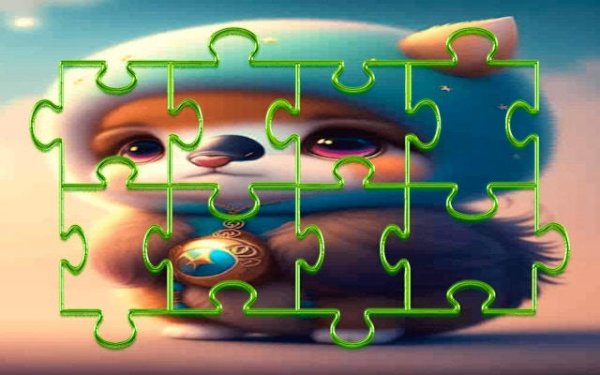
The game features high-quality images of Stitch in his baby form, which adds a charming visual element to the puzzle-solving experience. Each picture is divided into tiles, and the artwork remains clear even when scrambled. The friendly, colorful theme appeals to fans of the character and makes the game inviting for younger players. The visuals serve both an aesthetic and functional purpose, as recognizing parts of the image helps guide tile placement. The overall presentation is clean and uncluttered, keeping focus on the puzzle.
Accessibility and Controls
Controls are designed for ease of use across devices. Players can tap on touchscreens or click with a mouse to slide tiles. The interface responds quickly, and the empty space is clearly visible. No complicated menus or settings are required, allowing immediate play. This simplicity makes the game accessible to children and adults alike. The lack of time pressure or penalties means players can solve puzzles at their own pace, making it a relaxing activity. The intuitive design reduces the learning curve to nearly zero.
Skill Development Through Play
Regular play can improve pattern recognition, spatial reasoning, and planning abilities. The need to visualize tile positions and anticipate moves exercises cognitive skills in a low-stress environment. Completing puzzles reinforces patience and systematic thinking. The game rewards careful observation over speed, encouraging a thoughtful approach. As players advance to larger grids, they naturally develop more efficient strategies. This makes the game not just entertaining but also mentally stimulating in a gentle way.











Comments
Sign in to leave a review
No account? Create one
No comments yet.