
Reviews
Tower Ascent Runner succeeds by focusing on a simple loop: climb higher, avoid hazards, and beat your best. The random layout generation ensures that memorization alone won't carry you far. The local two-player mode adds a fun competitive edge without requiring extra hardware. Controls are responsive and the visual design is clear, making it easy to read obstacles. It is a solid choice for quick gaming sessions that respect the player's time.
About this game
Core Climbing Mechanics
In Tower Ascent Runner, the primary action revolves around moving upward through a series of rooms and platforms. Players control a character who must grab onto ladder rungs and ledges to progress. The game uses simple directional inputs for horizontal movement and a dedicated action button for jumping. Success depends on coordinating these actions to navigate past moving platforms and rotating barriers. Each session resets the layout, meaning no two climbs feel exactly the same. This randomness keeps the experience fresh and tests a player's ability to adapt quickly.
Obstacle Variety
The tower interior is filled with hazards that require careful observation. Some obstacles swing back and forth, while others open and close at set intervals. Trapdoors can give way underfoot, sending a character downward if not crossed quickly. Spinning gears and collapsing steps add further complexity. Players must learn to read these patterns on the fly, as the game does not pause to allow planning. The variety ensures that reflexes and pattern recognition are both put to the test.
Competition and Solo Play
The game offers two distinct ways to play. In single-player mode, the goal is to survive as long as possible and achieve a personal best score. This mode emphasizes gradual improvement and learning from mistakes. A local two-player mode allows two people to compete on the same screen. Here, each player tries to outlast the other. The first to fall into the rising hazard loses. This setup makes for quick, engaging matches that are easy to start and finish.
Visual Style and Accessibility
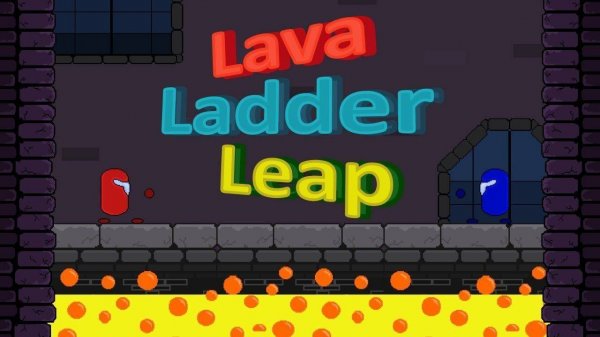
The graphics use bright, clear colors that make obstacles and platforms easy to distinguish. The art style is cartoonish and non-threatening, suitable for younger audiences. Controls are intentionally kept simple, with only a few buttons needed to play. This low barrier to entry means that players of any age or skill level can pick up the game without a lengthy tutorial. The family-friendly presentation ensures that the content is appropriate for all settings.
Strategy for Higher Scores
To climb higher, players should focus on rhythm rather than speed. Many obstacles follow predictable cycles, and waiting for the right moment to move is often better than rushing. In two-player mode, keeping an eye on the opponent's position can inform your own timing. Practicing regularly helps build muscle memory for common obstacle patterns. Staying calm under pressure is a key skill, as panicked movements often lead to mistakes.









Comments
Sign in to leave a review
No account? Create one
No comments yet.