
Reviews
Tropical Settlement Architect succeeds in blending idle progression with meaningful strategy. The resource chain system encourages careful planning, while the relaxed pace makes it easy to pick up for short sessions. Unlocking new areas keeps the experience fresh, and the absence of time pressure is a welcome change from more demanding titles. It is a solid choice for players who enjoy building and optimizing at their own speed.
About this game
Resource Gathering & Crafting
At the heart of Tropical Settlement Architect lies a straightforward loop: collect raw materials from the environment and transform them into useful items. Wood and stone are the initial building blocks, but as your settlement expands, you will unlock additional resources like clay and fibers. These materials feed into crafting stations where you produce tools, furniture, and trade goods. Each crafted item serves a purpose, whether it is constructing a new house or fulfilling a request from a passing merchant. The system encourages thoughtful planning, as some items require multiple steps before they become available.
Idle Progression Mechanics
One of the defining features of this game is its idle system. Even when you step away from the screen, your workers continue their tasks. Resources accumulate, buildings operate, and your settlement steadily grows. This design suits players who appreciate progress without constant attention. Checking in periodically allows you to collect accumulated goods, assign new projects, and make decisions that shape the direction of your island. The idle component does not replace active play but complements it, giving you a sense of momentum between sessions.
Expansion & Territory Growth
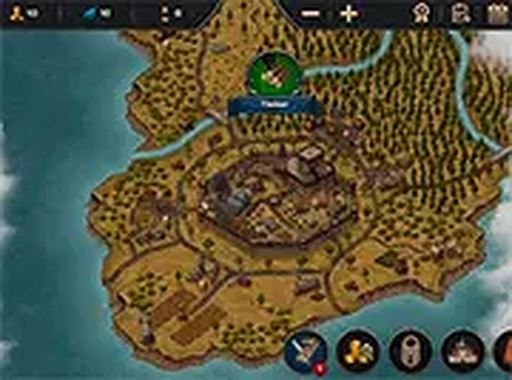
As your community becomes more established, new areas of the island become accessible. These zones often contain rare materials or fertile land for farming. Clearing paths and constructing bridges or docks are typical ways to reach these locations. Each new area introduces fresh opportunities and sometimes challenges, such as balancing the needs of a growing population. The sense of discovery keeps the experience engaging, as there is always another patch of coastline or forest to develop.
Strategic Decision Making
While the game is designed to be relaxing, there is a layer of strategy beneath the surface. Players must decide which buildings to prioritize, how to allocate workers, and when to invest in upgrades. Production chains can become complex, with multiple items depending on one another. A well-planned sequence of upgrades leads to smoother growth, while neglecting certain areas can create bottlenecks. The game rewards careful observation and adjustment, making each playthrough feel personal.











Comments
Sign in to leave a review
No account? Create one
No comments yet.