
Reviews
Gravity Switch Arcade succeeds by doing one thing exceptionally well. The single-tap control is instantly intuitive, yet mastering the timing required to navigate the procedurally generated courses offers a satisfying depth. The visual design is appropriately minimal, keeping the focus on the fast-paced action. Its strength lies in its pick-up-and-play nature, making it ideal for short bursts of concentration. The endless format and random layouts ensure high replay value, as each attempt feels like a unique puzzle to solve.
About this game
Core Gameplay Loop
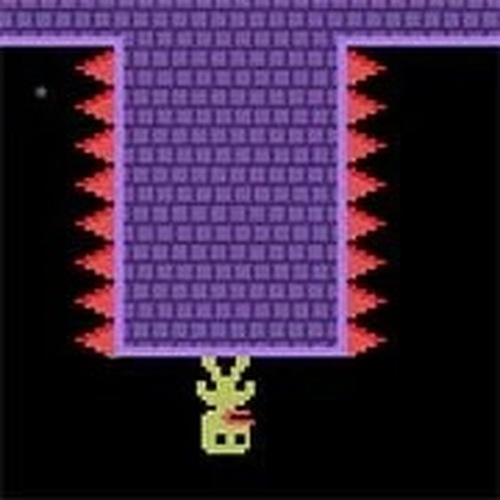
At its heart, this is a game about controlling a character by reversing the pull of gravity. A single tap or click on the screen instantly flips the world upside down, causing the character to fall toward the opposite wall. The goal is to guide this character through a narrow, obstacle-filled path without making contact with any hazards. Success depends entirely on your ability to read the upcoming space and time your gravity shifts correctly. The action is continuous, with no pauses between sections, creating a steady rhythm of anticipation and reaction.
Procedural Course Design
The game generates a new obstacle course each time you start a run. This procedural approach means the arrangement of walls, gaps, and barriers is never the same twice. While the core challenge of avoiding obstacles remains constant, the specific patterns you encounter will vary widely. Some runs might feature long sequences of alternating low and high barriers, while others could present tight clusters of obstacles that require rapid, successive gravity flips. This variety keeps the experience fresh and prevents the gameplay from becoming predictable.
Accessible Controls and Difficulty Curve
The control scheme is intentionally minimal, requiring only a single action to play. This simplicity makes the game immediately approachable for newcomers and younger players. However, the challenge escalates as the pace of the course increases. Early segments allow for more generous timing, giving players room to learn the mechanic. Later portions demand faster reactions and more precise taps, as the gaps between obstacles shrink and the speed of the character's movement increases. The game finds a balance between being easy to start and difficult to master.
Visual Style and Feedback
The visual presentation is clean and uncluttered, ensuring that players can focus entirely on the obstacles and their character. The background and obstacle colors are designed to provide clear contrast, making it easy to spot upcoming hazards. When a gravity flip occurs, a subtle visual cue confirms the action, helping players maintain their sense of orientation. The game avoids distracting animations or effects, prioritizing clarity and responsiveness. This straightforward visual approach supports the fast-paced nature of the gameplay.
Session Structure and Replay Value
Each run in the game is a self-contained attempt, typically lasting from a few seconds to a couple of minutes depending on player skill. There are no lives or continues; one mistake ends the current run. This structure encourages repeated attempts, as players try to beat their previous distance or score. The random course generation ensures that each new attempt feels like a fresh challenge, rather than a memorized sequence. This loop of short, high-stakes attempts makes the game well-suited for brief play sessions throughout the day.







Comments
Sign in to leave a review
No account? Create one
No comments yet.