
Reviews
Maze Block Shift Puzzle stands out for its relaxed pace and clear design. The puzzles start simple but gradually introduce more complex arrangements that require careful sequencing. Visuals are clean and uncluttered, which helps maintain focus. The lack of time pressure allows players to experiment freely, making it a great choice for casual sessions. While the core mechanic is simple, the variety in obstacle placement keeps each puzzle feeling fresh. It is a solid pick for anyone seeking a low-stress mental workout.
About this game
Core Concept
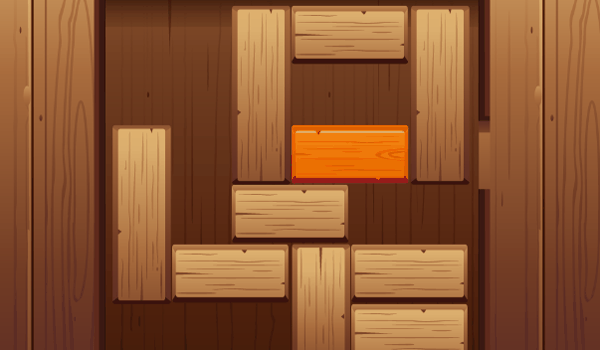
Maze Block Shift Puzzle presents a straightforward objective: clear a passage for colored tiles by moving wooden barriers. These barriers slide along fixed paths within a confined board. The challenge lies in sequencing moves correctly, as one misplaced shift can block progress. Players must evaluate the entire layout before acting.
Level Design Approach
Puzzles grow in complexity gradually. Early stages introduce simple configurations with few obstacles. Later stages add more barriers and tighter spaces, requiring multi-step planning. The difficulty curve feels natural, allowing players to build skills without sudden jumps. Each puzzle feels distinct due to varied obstacle placement.
Visual Style and Controls
The interface uses clean, bright colors with clear contrast between movable blocks and fixed walls. Tapping or clicking a block slides it in the chosen direction. Feedback is immediate, and animations are smooth. The minimal design reduces distractions, helping players focus on the puzzle itself.
Pacing and Accessibility
There are no timers or score penalties for slow play. This makes the game suitable for short breaks or longer sessions. The lack of pressure encourages experimentation. Players can restart any puzzle without penalty, which supports learning through trial and error. The simple mechanics mean anyone can pick it up quickly.
Strategic Thinking
Success depends on looking ahead. A single move can open or block multiple paths. Recognizing which blocks are critical and which are secondary is key. Some puzzles require sacrificing progress to reposition a key block. This layer of strategy keeps the experience engaging without becoming frustrating.



Comments
Sign in to leave a review
No account? Create one
No comments yet.