
Reviews
Serpent Munch: Maze Runner sticks to a proven formula: eat, grow, avoid walls and your own tail. Its strengths are clear from the description — responsive keyboard and touch controls, bright visuals that separate items from obstacles, and a stage structure that introduces new maze layouts before raising speed. Bonus rounds add short scoring bursts, and the global leaderboard gives competitive players a target. The main limitation is that the core loop is familiar, so players wanting deep strategy may find it light. It best suits casual players and families who enjoy quick, readable puzzle arcade sessions.
About this game
Core Objective and Moment-to-Moment Play
Serpent Munch: Maze Runner gives you one clear job: move a serpent around a grid and eat every glowing item you can reach. Each item adds one segment to the serpent's length and increases your score. The longer you get, the less room you have to move, so the same maze that felt open at the start becomes a tight pathing problem. You lose by colliding with a wall or your own body. The opening stages move at a manageable pace, which gives new players time to learn the controls before speed increases with each new stage.
Stage Structure and Rising Difficulty
The game is built around a series of stages, and each one introduces a new maze layout. Early levels leave wide open spaces and few obstacles, so you can move freely and plan long routes. Later stages narrow the pathways and use more complex wall configurations. The serpent's movement speed also rises gradually, which means you need faster reflexes and more precise directional changes. Clearing a stage unlocks the next one, so progress is always visible and easy to understand.
Bonus Rounds and Scoring
Between standard stages, the game inserts bonus rounds. These are limited-time segments packed with a dense cluster of items, giving you a chance to score points quickly. Navigating them well depends on efficient pathing and fast decisions, because the clock is short and the items are close together. Points earned in bonus rounds add to your total score, which is tracked on a global leaderboard. That competitive layer gives repeat players a reason to keep improving their runs.
Visual Style and Controls
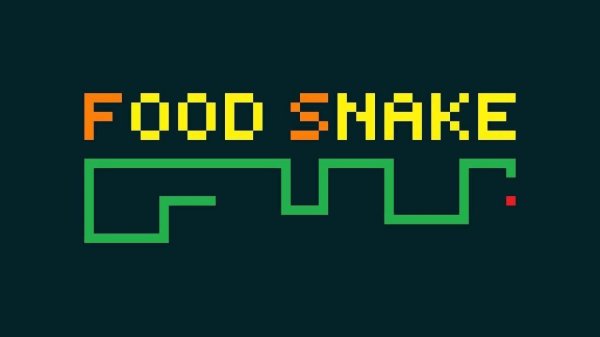
The presentation is clean and colorful. A bright palette makes items and obstacles easy to tell apart, the serpent is drawn as a smooth, segmented line, and maze walls are clearly defined. Controls are responsive and support both keyboard arrow keys and touchscreen swipes. The interface stays minimal so the grid remains the focus. This combination keeps the game approachable for players of all ages and skill levels, whether they are on a desktop or a mobile device.
✅ Compatibility & Testing
FAQ
Comments
Sign in to leave a review
No comments yet.








Editorial Notes