Review
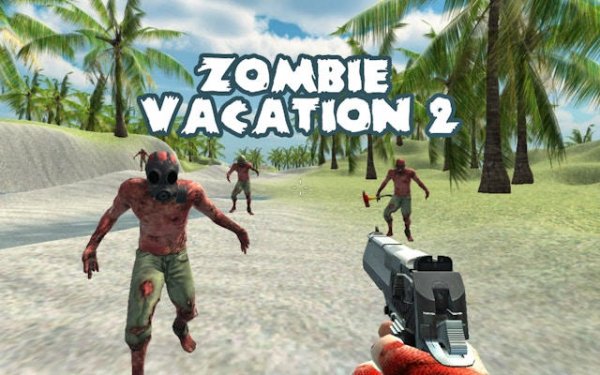
Island Dash: Reflex Arcade stands out for its clean visual design and well-paced difficulty curve. The first-person perspective gives a clear view of incoming hazards, making precise movement feel fair. Each new island zone introduces fresh environmental elements that change how you approach obstacles. The progression system offers meaningful rewards without forcing grind. It is a solid choice for players who enjoy testing their reaction time in a relaxed, family-friendly setting.
Faq
About This Game
Core Gameplay Loop
Players control a character from a first-person perspective as they traverse a series of island environments. Each area presents a fresh set of obstacles that appear in timed waves. The primary task is to move swiftly and accurately, interacting with objects to clear a path forward. Success relies on reading the environment and responding to threats with precise timing. As waves progress, the pace intensifies, requiring sustained focus and adaptive strategies.
Environment and Visual Design
The game world is divided into distinct zones, starting from bright sandy beaches and moving into dense jungle interiors. Each zone features its own color palette and natural elements, such as swaying palm trees, rocky outcrops, and flowing water. The visual style is clean and vibrant, making it easy to spot incoming hazards. This clarity helps players plan their next move without confusion.
Progression and Rewards
Completing waves earns points that contribute to a progression system. Players can unlock new tools and equipment that provide additional ways to interact with the environment. These upgrades may offer temporary boosts or help overcome specific obstacle types. The reward structure encourages repeated play to master earlier zones and access later, more complex areas.
Skill Development and Mastery
The game is designed to build player skill over time. Early waves introduce basic movement and obstacle types, while later waves combine multiple elements that demand faster reactions. There is no penalty for failure beyond restarting a wave, which lowers frustration. This approach allows players to learn patterns through practice and gradually improve their performance.
Compatibility
You May Also Like

Martial Arts Jigsaw Puzzle
Arcade , Puzzle
Unicorn Platform Runner
Arcade , Family
Burger Chef Time Management Game
Arcade , Cooking
Chef Veggie Chop 3D
3D , Cooking , Arcade , Family , Fun , Relaxing
Cafe Burger Chef Cooking Game
Arcade , Cooking , Simulation
Canine Mahjong Puzzle
Arcade , Puzzle
Sweet Mahjong Tile Match
Arcade , Puzzle
Comments
0 comments